
The Duo Test is a laboratory study that complements the first-trimester ultrasound.
The Duo Test is a laboratory study that complements the first-trimester ultrasound. It detects the levels of two hormones (beta-HCG and PAPP-A) released by the placenta in maternal blood.
It should be performed between the 11th and 14th weeks of pregnancy.
It is important for the baby to come for the sample collection after fasting for a minimum of 6 hours.
No, the Duo Test is safe for both you and the baby. There is no risk of harm to the fetus during the test.
When performed in conjunction with the first-trimester ultrasound, the Duo Test increases the detection rate of chromosomal diseases, such as Down syndrome, by up to 95%. Additionally, it contributes to the early detection of other complications, such as preeclampsia.
While it is not a diagnostic test, it is an effective and accurate tool for determining if further testing is necessary.
The Duo Test has a detection rate of 95% for Down syndrome, Edwards syndrome, and Patau syndrome. It also helps us detect the early risk of certain pregnancy complications, such as preeclampsia, and provide preventive treatment if necessary.
We take a sample of peripheral venous blood from your forearm through a small puncture. The blood extraction takes less than 10 minutes.
No, it is not an invasive method. We will only take a small blood sample from your arm, which poses no risk to the baby.
You do not need anesthesia for this test. During the blood extraction, you will only feel a slight prick.
Within 24 to 48 hours, we will send an official written report with the blood study findings, along with your first-trimester ultrasound, to your email and your doctor’s.
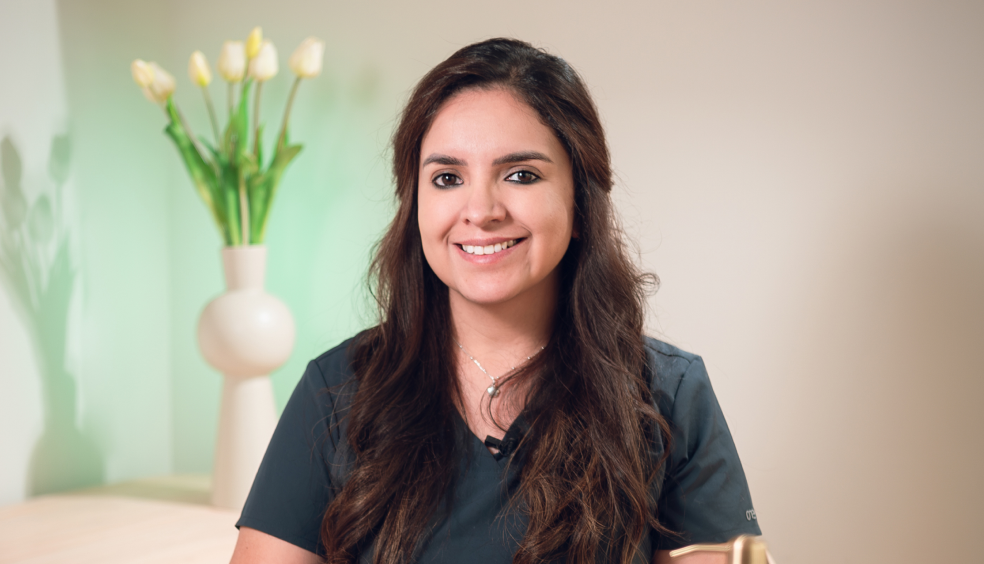
Gynecologist and Obstetrician with a subspecialty in Maternal Fetal Medicine and training in advanced fetal echocardiography.
Certified by the Mexican Council of Specialists in Gynecology and Obstetrics, and the Fetal Medicine Foundation. As an expert in maternal-fetal health, I try to convey to my patients the importance of care and supervision during pregnancy.
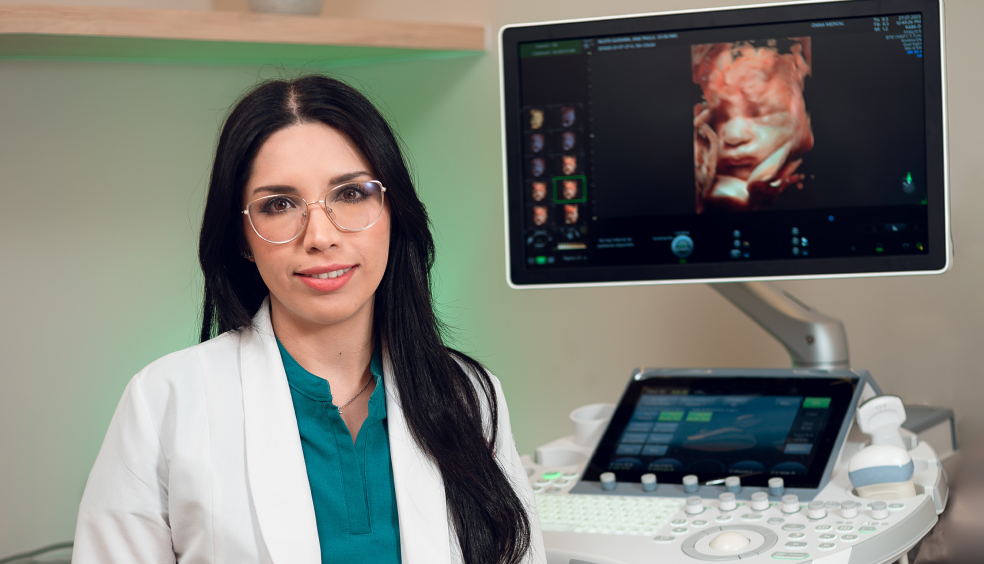
Gynecologist and Obstetrician with a subspecialty in Maternal-Fetal Medicine, certified by the Mexican Council of Specialists in Gynecology and Obstetrics and the Fetal Medicine Foundation.
Expert in the monitoring and management of high-risk pregnancies, detection of congenital disabilities, and twin pregnancies.
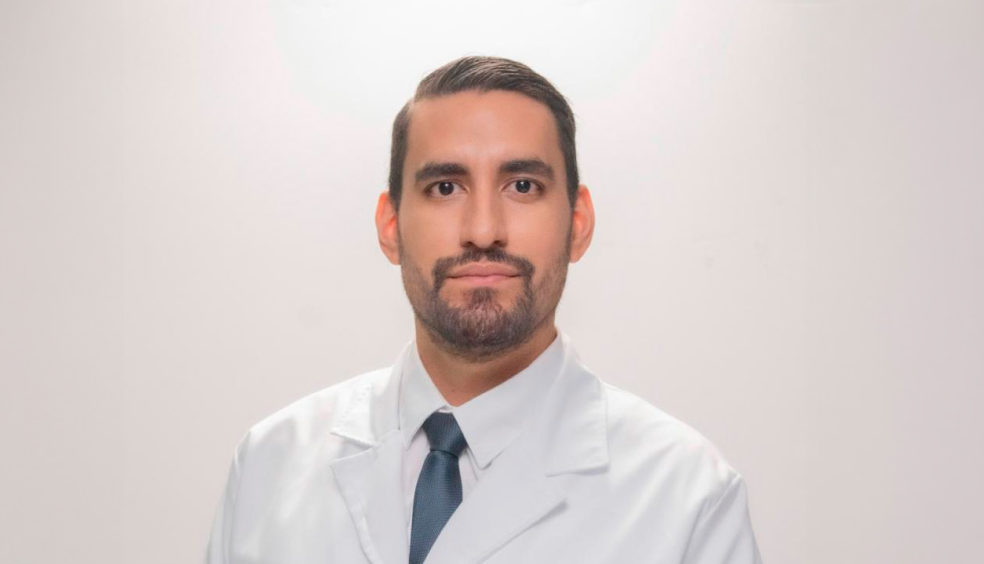
Gynecologist and Obstetrician with a subspecialty in Maternal Fetal Medicine by the UNAM. Experienced in the management of high risk obstetric and gynecologic pathology.
Certified by the Fetal Medicine Foundation in Cervical Assessment, Preeclampsia Detection and Doppler Ultrasound. Afiliado a la International Society for Prenatal Diagnosis y The Society for Maternal-Fetal Medicine. Affiliated to the International Society for Prenatal Diagnosis and The Society for Maternal-Fetal Medicine.